PART 3 OF 5
The Certificate
Chapters 14-16: The pivotal exploration of what truly matters — credentials or transformation?
"Is he the paper, or is he the person the paper describes?"
— The central question of Part 3
?
The Paper Question
Is the certificate valuable?
⚖️
Skills vs. Credentials
What matters to employers?
✨
Real Transformation
What truly changes everything?
The Paper and the Person
The Fundamental Question: Knowledge vs. Credentials
After two years of study, Simon sits in his room holding a printed certificate he created himself. It has his name, the date, the course title, his seal.
It looks official. It means nothing.
This is the moment of truth.
Simon has learned more than most university graduates. His knowledge is real. His skills are developed. His transformation is documented. But he has no credential that society recognizes.
The certificate in his hand is beautiful. But is it valuable?
For the first time, doubt creeps in. He thinks of employers who require degrees. Of systems that demand credentials. Of doors that close without official papers.
But then he thinks of something else.
He thinks of Elder Kofi's competence, never measured by a degree. He thinks of the market traders whose wealth came from practice, not papers. He thinks of the master craftspeople whose expertise is undeniable but uncertified.
He holds the certificate and asks himself: Am I the paper? Or am I the person the paper describes?
The answer will determine everything.
Deep Dive: Understanding the Dynamics
What Credentials Actually Are
- → A signal to employers of basic competence
- → A filter that reduces hiring risk
- → A proxy for knowledge when knowledge cannot be verified
- → A social convention, not a guarantee of ability
Why They Matter In Some Contexts
- → Regulated professions (medicine, law) require legal credentials
- → Many institutions use degrees as filtering mechanisms
- → Credentials open certain doors and networks
- → They provide social proof and legitimacy
Why They Matter Less Than You Think
- → Employers increasingly hire for skills and portfolio
- → Entrepreneurs succeed without degrees
- → Knowledge and results transcend credentials
- → Real achievement speaks louder than paper

🤖 Ask the AI Tutor
Questions about credentials, transformation, or finding your path? The AI Tutor can help you navigate these crucial decisions.
Ask NowKey Takeaway
You are not the paper. The paper is a claim about your past. Who you are is proven by what you can do, right now.
What Employers Never Tell You
The Truth About Skills vs. Degrees
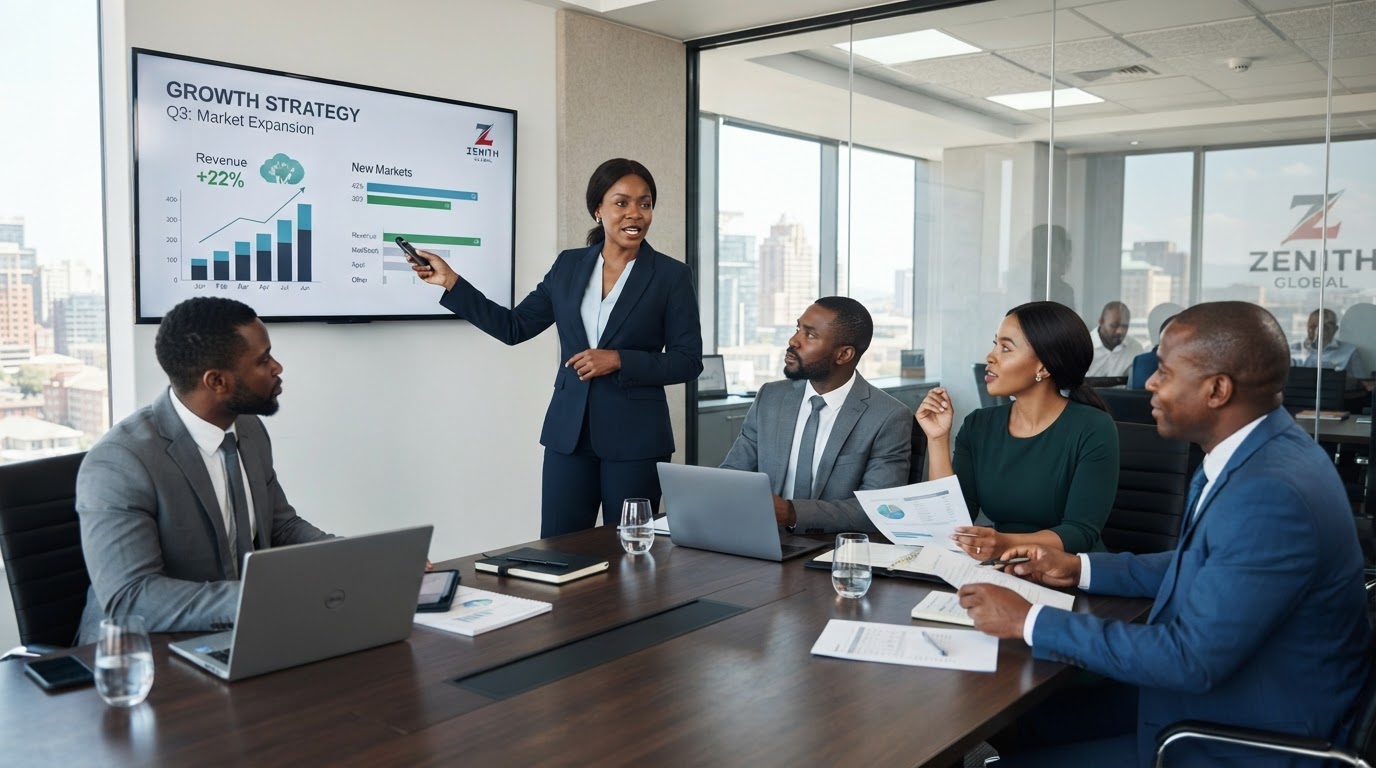
Simon gets a job interview. Not because he has a degree. Because he has a portfolio.
Projects he built. Skills he demonstrated. Results he achieved. Problems he solved. Evidence of competence that no certificate could provide more powerfully than the work itself.
In the interview, the hiring manager asks: "Tell me about this project. How did you build it? What were the challenges? How did you solve them?"
Simon talks. Not from a textbook. From experience. From struggles. From wins. From real learning.
The manager listens. And then says something that changes everything:
"Honestly, I don't care where you studied or what degrees you have. I care about what you can do. And you've shown me that you can do this."
This is what employers never say publicly because it contradicts the system that filters for credentials. But privately, they know the truth:
Skills matter more than degrees. Results matter more than credentials. Proven ability matters more than promised competence.
Simon walks out with a job offer. Not despite lacking a degree. But because his alternative — a portfolio of real work — was more valuable than any credential could be.
The lesson is profound: When you have proven competence, credentials become optional. When you lack proven competence, credentials become essential but insufficient.
Simon chose to prove competence instead of prove credentials.
Deep Dive: Understanding the Dynamics
The Portfolio vs. Degree Advantage
- → A portfolio shows real capability, not just theoretical knowledge
- → Employers can assess actual work quality immediately
- → Demonstrated skills are objective; degrees are subjective signals
- → A portfolio is portable and universally understood
When Degrees Are Actually Required
- → Regulated industries (law, medicine, engineering)
- → Government and institutional positions
- → Academic roles and research positions
- → Some corporate hierarchies filter by credentials
Building Credibility Without Credentials
- → Create a portfolio of real work
- → Build reputation through results
- → Develop social proof and testimonials
- → Establish thought leadership in your field
🤖 Ask the AI Tutor
Questions about credentials, transformation, or finding your path? The AI Tutor can help you navigate these crucial decisions.
Ask NowKey Takeaway
Employers don't hire credentials. They hire capability. Build a portfolio of real work and you become unhireable for the wrong reasons.
The Examination of Life
Beyond Credentials: What Actually Transforms
At the end of Part 2, Simon sits in quiet reflection.
He has the knowledge. He has the skills. He has the portfolio. He has the job.
But more importantly, he is different.
The boy who could not attend Harvard has become something more valuable than a university graduate. He has become someone who solves problems. Who builds things. Who leads. Who thinks strategically. Who acts with discipline. Who creates value.
The certificate is irrelevant. The transformation is absolute.
This is the real examination — not a test that measures what you memorized, but a life that demonstrates who you became.
Simon realizes that the certificate was always the wrong goal. The goal was transformation.
The courses were not designed to earn a piece of paper. They were designed to build a person. To reshape thinking. To develop capability. To awaken potential.
A certificate claims that you learned something. Transformation proves it.
A degree says "I passed." Competence says "I can."
Simon chose the harder path and gained something more valuable. He became undeniable.
And this becomes the foundation of BISONGSIMONTV. Not a school that gives out certificates. But a system that creates transformation. The certificate is optional. The growth is inevitable.
Deep Dive: Understanding the Dynamics
What Real Learning Looks Like
- → Changed perspective and worldview
- → New capabilities and skills
- → Different decisions and actions
- → Measurable results and achievements
- → Growth in wisdom, not just knowledge
The Transformation Test
- → Can you solve problems you couldn't before?
- → Do you think differently about your challenges?
- → Are you building things you couldn't before?
- → Do people seek you out for guidance?
- → Has your income or impact grown?
Certificate or Transformation?
- → A certificate is a claim about your past
- → Transformation is proof of your present
- → Certificates fade; competence endures
- → Certificates open doors; competence opens opportunities
- → Choose transformation every time

🤖 Ask the AI Tutor
Questions about credentials, transformation, or finding your path? The AI Tutor can help you navigate these crucial decisions.
Ask NowKey Takeaway
The real exam is not a test. It's your life. Can you solve problems? Build things? Create value? That's the only certificate that matters.
Part 3 Summary: The Certificate Redefined
Simon's Discovery
- ✓ The certificate he created had no official value
- ✓ His portfolio mattered infinitely more
- ✓ Transformation had happened, certified or not
- ✓ He could do things he couldn't do before
What This Means for You
- → You don't need permission to learn
- → Build real evidence of competence
- → Focus on transformation, not credentials
- → Your portfolio speaks louder than any paper
The BISONGSIMONTV Difference
BISONGSIMONTV doesn't promise you a credential. It promises you transformation. When you complete the system, you won't just have a certificate. You'll have the capabilities, the mindset, the proof, and the results.
The certificate is optional. The transformation is inevitable.
Part 4 & 5 Await
You've walked Simon's journey through knowledge, courses, and the certificate question. Now comes the FAQ and the founding of BISONGSIMONTV itself.
Continue to Part 4: FAQ